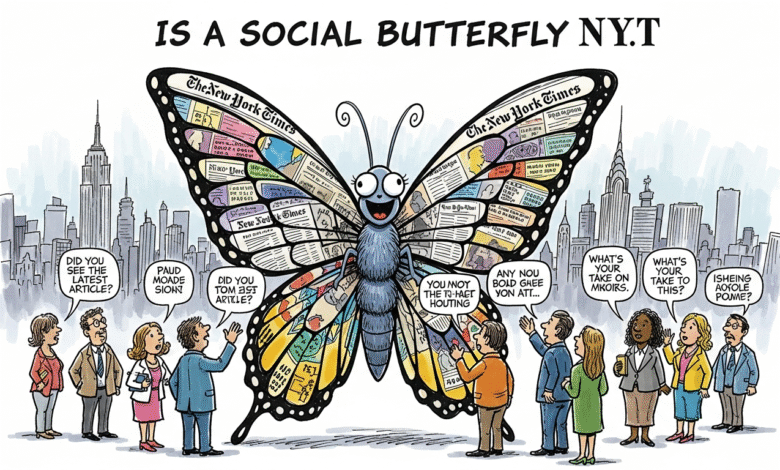
Is a Social Butterfly NYT is a question many people ask when they see someone always active, talking, and moving in groups. Is a social butterfly nyt shows how some people enjoy meeting new people, making friends easily, and joining social events without feeling shy or nervous. Being a social butterfly is not just about talking a lot. It is about how someone connects with others, shares feelings, and makes everyone around feel comfortable and happy. Many studies and articles, including those in the New York Times, show that social butterflies often have better mental health, feel more confident, and can even succeed in school or work because they know how to communicate and collaborate with different kinds of people.
People who are social butterflies usually have a positive attitude, are good listeners, and can handle social situations smoothly. Is a social butterfly nyt also points out that these people are not always extroverts; some quiet people can act socially active when needed. Being a social butterfly does not mean ignoring personal space or pushing others to socialize. It means finding balance, understanding boundaries, and building meaningful connections. This personality type can help in making life enjoyable and creating opportunities for learning and growth. Many parents, teachers, and professionals look for social butterfly traits because they show emotional intelligence, empathy, and leadership skills in real-life situations. Understanding whether someone is a social butterfly or learning to become one can help people feel more comfortable in group settings, enjoy life more, and handle social challenges with ease.
Traits of a Social Butterfly NYT
People who are social butterflies usually have certain traits that make them easy to recognize. They enjoy meeting new people and can start conversations with anyone. They are cheerful, friendly, and often the first to greet someone in a group. Social butterflies can also remember small details about others, like names or favorite hobbies, which makes people feel special and appreciated. They are not afraid of speaking in front of groups and often enjoy participating in activities that involve teamwork.
Social butterflies also show empathy. They can sense when someone is feeling sad or left out and try to include them. They are good listeners and respond in ways that make others feel understood. Is a social butterfly nyt highlights that these people are adaptable and can handle different personalities with ease. They know when to talk and when to listen. This balance helps them maintain relationships and avoid conflicts. Their energy can inspire others to join conversations and feel more confident in social settings.
How Being a Social Butterfly NYT Helps in School and Work
Being a social butterfly can help in both school and work. In school, social butterflies make friends easily, which creates a supportive environment. They can participate in group projects, help classmates, and communicate effectively with teachers. This often leads to better teamwork and more opportunities for leadership roles. Students who are social butterflies can also learn from different perspectives, as they interact with many kinds of people.
At work, social butterflies are valuable because they can network, communicate well with colleagues, and manage teams effectively. They are often chosen for roles that require collaboration or public speaking. Is a social butterfly nyt explains that employees who connect well with others are often more successful because they can handle challenges, resolve conflicts, and motivate their team. Being social does not mean ignoring responsibilities; it means using social skills to improve productivity and create a positive workplace.
Social Butterfly NYT: Balancing Friendships and Personal Space
While being a social butterfly has many benefits, it is important to balance social life with personal space. Social butterflies can sometimes feel overwhelmed if they are constantly surrounded by people. They need time to rest, reflect, and recharge. Setting boundaries is essential to avoid burnout. It is okay to say no to invitations or spend time alone when needed.
Is a social butterfly nyt also points out that respecting others’ personal space is important. Being social should not push people into uncomfortable situations. Social butterflies who understand boundaries can maintain healthy friendships and avoid misunderstandings. They know when to give attention and when to step back. This balance helps them enjoy social life while keeping relationships strong and meaningful.
Tips to Become a Social Butterfly NYT Without Stress
Not everyone is naturally a social butterfly, but anyone can learn to be more social with practice. Start by greeting people with a smile and asking simple questions about their day. Show interest in their answers and listen carefully. Join groups or activities that match your interests, which makes conversations easier.
Is a social butterfly nyt recommends small steps to build confidence. You can practice talking to classmates, coworkers, or neighbors. Learning to share personal stories and experiences helps others connect with you. Remember to respect boundaries and avoid forcing conversations. Over time, these small efforts can help you become more confident and socially active without feeling stressed.
How Social Butterflies NYT Handle Shyness and Anxiety
Even social butterflies can feel shy or anxious sometimes. Is a social butterfly nyt explains that social butterflies overcome these feelings by focusing on the present moment and being kind to themselves. They remind themselves that making mistakes is normal and that most people are friendly and understanding.
Preparation can also help. Thinking of conversation topics or practicing social skills in advance can reduce anxiety. Social butterflies may start with small interactions and gradually move to larger groups. They also use relaxation techniques like deep breathing to stay calm. Over time, these strategies help them enjoy social situations more and feel confident even when nervous.
The Science Behind Is a Social Butterfly NYT
Research shows that social butterflies have brains that respond positively to social interactions. Being around friends and meeting new people can release chemicals like dopamine and oxytocin, which improve mood and reduce stress. Is a social butterfly nyt also explains that social engagement can improve cognitive skills, emotional intelligence, and problem-solving abilities.
People who practice social skills regularly tend to become more confident and adaptable. They can understand social cues better and communicate more effectively. Social butterflies often develop strong networks, which can be helpful in both personal and professional life. Understanding the science behind being social helps people appreciate the benefits of connecting with others.
Real-Life Examples of a Social Butterfly NYT
Many famous people are examples of social butterflies. They are often seen in interviews, events, and social media connecting with fans and colleagues. Social butterflies can also be everyday heroes like teachers, community leaders, or volunteers who create positive change by connecting with people.
Is a social butterfly nyt shows that these examples inspire others to develop social skills. Seeing how social butterflies manage relationships, communicate effectively, and create opportunities motivates people to become more socially confident themselves. It also demonstrates that being social can lead to happiness, success, and strong friendships.
Mistakes to Avoid as a Social Butterfly NYT
Even social butterflies can make mistakes. Talking too much without listening can make others feel ignored. Being overly energetic or pushy may overwhelm friends. Is a social butterfly nyt emphasizes the importance of listening, respecting boundaries, and being genuine.
Avoid comparing yourself to others or trying to impress people constantly. Social butterflies who are authentic, kind, and considerate build stronger connections. Learning from mistakes and observing others’ reactions helps improve social skills and maintain positive relationships.
How Parents Can Encourage Children to Be Social Butterflies NYT
Parents play an important role in helping children develop social skills. Encourage children to interact with peers, share toys, and participate in group activities. Praise their efforts when they communicate politely and show empathy. Is a social butterfly nyt suggests modeling social behavior by demonstrating good listening, sharing, and kindness.
Children learn from observing adults. When parents show respect, patience, and positive communication, children are more likely to develop social butterfly traits naturally. Encouraging children to join clubs, sports, or creative activities can also help them gain confidence and make friends easily.
Conclusion
Being a social butterfly is more than just being outgoing. It is about connecting with others, showing empathy, and creating positive relationships. Is a social butterfly nyt helps us understand the traits, benefits, and strategies for becoming socially confident. Social butterflies enjoy better mental health, success in school and work, and meaningful friendships. Balancing social life with personal space, practicing empathy, and learning from mistakes are key to being an effective social butterfly. Everyone can develop social butterfly traits with practice, patience, and self-awareness.
FAQs
What does is a social butterfly nyt mean?
It means a person who enjoys meeting others, making friends easily, and participating in social activities.
Can introverts be social butterflies?
Yes, introverts can act like social butterflies in certain situations while still needing personal time.
How can I become a social butterfly without stress?
Start small, show interest in others, join groups you like, and practice listening carefully.